What to Do in the First 10 Minutes of a Water Leak
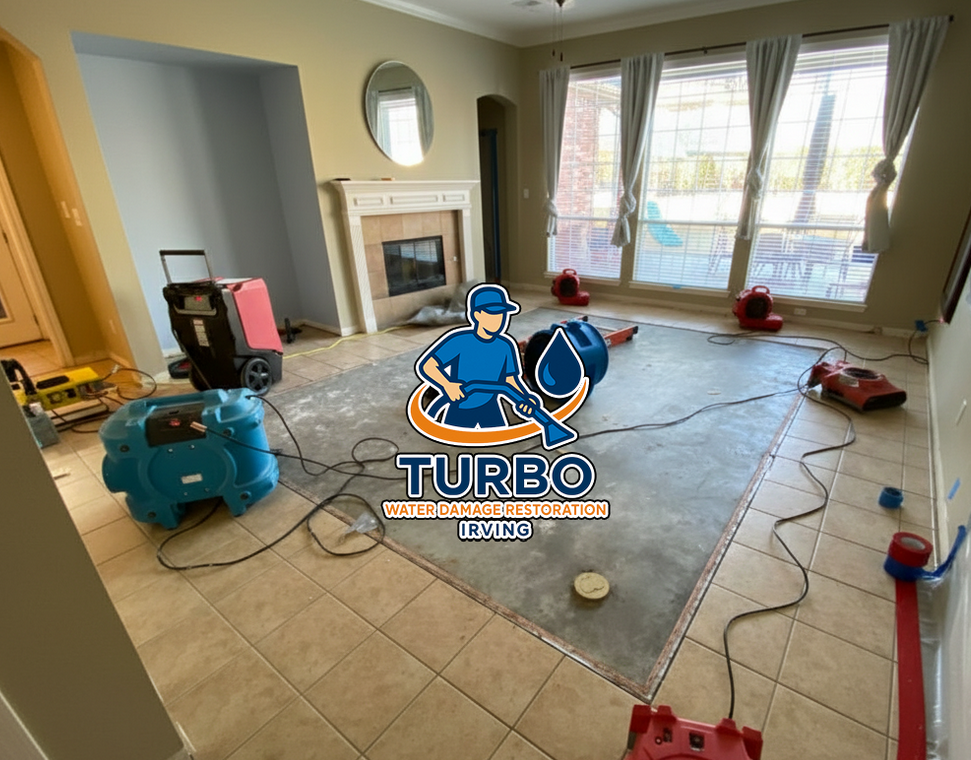
When water starts flooding your Irving home, every second counts. The actions you take in the first 10 minutes can mean the difference between minor damage and a major disaster requiring extensive restoration.
Why the First 10 Minutes Are Critical
Water spreads rapidly through porous materials like drywall, insulation, and flooring. Within minutes, it can saturate carpets, seep into wall cavities, and begin damaging your belongings. The longer water sits, the more extensive—and expensive—the damage becomes.
Beyond immediate structural concerns, standing water creates perfect conditions for mold growth, which can begin developing within 24-48 hours. Quick action doesn't just protect your property; it protects your family's health and significantly reduces restoration costs.
Step 1: Ensure Safety First (Minute 1)
Before you do anything else, assess the situation for safety hazards:
- Electrical hazards: If water is near electrical outlets, appliances, or your electrical panel, do NOT enter the area. Turn off electricity at the main breaker if you can reach it safely.
- Structural concerns: If water is coming through the ceiling or you hear unusual sounds (cracking, groaning), evacuate immediately—the ceiling could collapse.
- Contaminated water: If the water appears dirty or is coming from sewage lines, stay away. This water contains dangerous bacteria and requires professional handling.
When in doubt, prioritize your safety and call for professional help immediately.
Step 2: Stop the Water Source (Minutes 2-3)
If it's safe to do so, stop the water at its source:
- Burst pipe: Locate your main water shutoff valve (usually near the water meter or where the main line enters your home) and turn it clockwise to shut off all water to your house.
- Overflowing appliance: Turn off the water supply valve behind the appliance (washing machine, dishwasher, etc.) and unplug the appliance if safe.
- Roof leak: Place buckets or containers to catch dripping water and prevent it from spreading.
Pro tip: Every household member should know where the main water shutoff valve is located. Tag it clearly and test it annually to ensure it works.
Step 3: Call for Professional Help (Minute 4)
Even if you've stopped the water, call a professional water damage restoration company immediately. Don't wait to see if you can handle it yourself—water damage professionals have equipment and expertise you don't.
Call Turbo Water Damage Restoration Irving at (469) 240-3829 (available Mon-Sun, 7 AM-10 PM).
While you wait for help to arrive, continue with the next steps.
⚠️ Emergency Note
If water is actively flooding and you can't stop it, evacuate immediately and call 911. Your safety is more important than protecting property.
Step 4: Move Valuables to Safety (Minutes 5-7)
If it's safe to enter the affected area, quickly move valuable and important items to dry locations:
- Electronics: Unplug and move computers, TVs, stereos, and other electronics away from water.
- Important documents: Grab tax records, insurance policies, birth certificates, passports, and other irreplaceable papers.
- Sentimental items: Photographs, heirlooms, and other irreplaceable personal items should be prioritized.
- Furniture: If possible, move smaller furniture pieces or elevate larger ones with blocks or waterproof materials.
Don't waste time: Focus on items that can't be replaced. Most other household items can be cleaned, dried, or replaced.
Step 5: Begin Water Removal (Minutes 8-10)
While you're waiting for professionals, start removing standing water if it's safe:
- Small amounts: Use towels, mops, or a wet/dry vacuum to soak up water from floors and furniture.
- Larger volumes: If you have a sump pump or wet/dry vacuum, begin extracting water from the lowest points in the affected area.
- Carpets and rugs: If rugs are soaked, remove them and hang them outside to dry. For wall-to-wall carpet, professionals will need to assess if it can be saved.
Important: Your goal isn't to completely dry everything—that requires professional equipment. You're simply minimizing damage until help arrives.
What NOT to Do
Avoid these common mistakes that can make damage worse:
- Don't use regular household vacuums on standing water—they're not designed for it and can create electrical hazards.
- Don't turn on ceiling fans or heating if the ceiling is wet—this can cause electrical issues or ceiling collapse.
- Don't enter rooms with standing water if electrical outlets are submerged.
- Don't wait to call professionals, hoping the problem will resolve itself.
After the First 10 Minutes
Once you've completed these initial steps, continue these actions until professional help arrives:
- Document everything: Take photos and videos of all water damage for insurance claims.
- Open windows (if weather permits): Improve ventilation to begin the drying process.
- Remove wet fabrics: Take down curtains, remove cushions, and gather wet clothing to prevent mildew.
- Stay out of affected areas: Minimize traffic through wet areas to prevent water from spreading and avoid safety hazards.
Why Professional Help Matters
While your quick actions in the first 10 minutes are crucial, professional water damage restoration is essential for complete recovery. Professionals bring:
- Industrial equipment: Commercial extractors, dehumidifiers, and air movers that dry structures thoroughly.
- Moisture detection: Specialized meters and thermal imaging to find hidden water in walls and floors.
- Mold prevention: Proper drying techniques and antimicrobial treatments to prevent mold growth.
- Insurance expertise: Documentation and communication with your insurance company to support your claim.
Be Prepared for Next Time
The best way to handle a water emergency is to be prepared before it happens:
- Know the location of your main water shutoff valve
- Keep a wet/dry vacuum accessible
- Save our number in your phone: (469) 240-3829
- Keep important documents in waterproof containers
- Inspect plumbing regularly for signs of leaks
Conclusion
Water damage can be overwhelming, but taking quick, decisive action in the first 10 minutes can dramatically reduce damage and costs. Remember: safety first, stop the source, call professionals, protect valuables, and begin water removal. These steps, combined with prompt professional restoration, give you the best chance of full recovery.
If you're experiencing water damage right now, stop reading and call us immediately at (469) 240-3829. Every minute counts.
Experiencing Water Damage Right Now?
Don't wait—call Turbo Water Damage Restoration Irving immediately for professional emergency water removal and restoration.
Available Mon-Sun, 7:00 AM – 10:00 PM
Related Articles
How to Spot Hidden Water Damage
Learn the warning signs of water damage that might be hiding in your walls, floors, and ceilings.
Read Article →Does Insurance Cover Water Damage?
Understand what your homeowner's insurance typically covers and how to document damage for claims.
Read Article →Preventing Burst Pipes in Texas
Protect your plumbing from freezing temperatures and learn what to do if a pipe bursts.
Read Article →