How to Spot Hidden Water Damage in Your Home
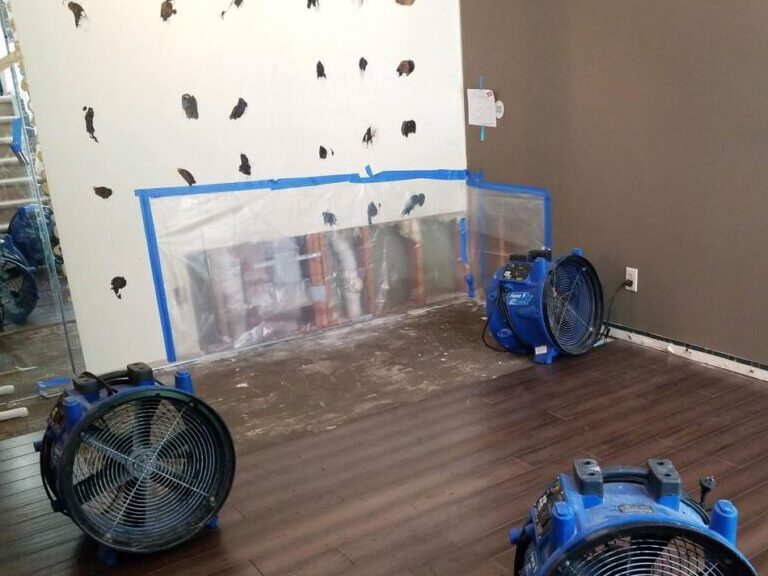
Not all water damage announces itself with puddles and drips. Some of the most destructive water damage hides behind walls, under floors, and above ceilings—silently causing structural problems and mold growth while going completely unnoticed.
Why Hidden Water Damage Is So Dangerous
Visible water damage is obvious and gets addressed quickly. Hidden water damage, however, can persist for weeks, months, or even years before it's discovered—often only after it's caused extensive structural damage, created health hazards from mold, or required expensive emergency repairs.
In Irving homes, hidden water damage commonly results from slow leaks in plumbing, minor roof damage, condensation in walls, or foundation issues. Because Texas weather can fluctuate dramatically, these problems can develop gradually and go unnoticed until they become serious.
Warning Sign #1: Musty Odors and Unusual Smells
Your nose often detects hidden water damage before your eyes do. A persistent musty, earthy, or moldy smell—especially in specific rooms or areas—strongly indicates hidden moisture and potential mold growth.
Where to check:
- Basements and crawl spaces
- Bathrooms, especially around toilets and showers
- Under kitchen sinks and around dishwashers
- Laundry rooms near washing machines
- Closets and storage areas
What to do: Don't mask odors with air fresheners. Investigate the source. If you can't locate it, call a professional to use moisture detection equipment to find hidden leaks.
Warning Sign #2: Stains and Discoloration
Water stains appear as yellowish-brown rings or patches on ceilings, walls, and floors. Even if the surface feels dry now, these stains indicate water has been present—and likely still is within the structure.
Common stain locations:
- Ceilings: Roof leaks, upstairs bathroom leaks, or condensation from HVAC ducts
- Walls: Plumbing leaks, exterior water intrusion, or condensation inside wall cavities
- Floors: Leaks from below, foundation moisture, or slow appliance leaks
Important note: Stains can appear far from the actual water source, as water travels along framing and through materials before showing up on visible surfaces.
Warning Sign #3: Peeling, Bubbling, or Cracking Paint
When moisture gets behind paint or wallpaper, it weakens the bond between the coating and the wall surface. This causes:
- Paint that bubbles, blisters, or peels away from walls
- Wallpaper that lifts, wrinkles, or shows dark spots
- Textured ceiling finishes that separate or fall away
While humidity alone can sometimes cause minor paint issues, significant peeling or bubbling usually indicates moisture trapped in the wall behind the finish.
💡 Pro Tip
Run your hand gently over the affected area. If it feels damp, spongy, or cooler than surrounding areas, active moisture is likely present.
Warning Sign #4: Warped, Buckled, or Sagging Floors
Wood and laminate flooring absorb moisture like sponges. When water seeps underneath flooring from leaks, floods, or condensation, the materials swell, warp, and eventually fail.
Floor damage indicators:
- Warping: Floor boards that cup upward at the edges or crown in the center
- Buckling: Planks that lift away from the subfloor, creating peaks
- Sagging: Areas where floors feel soft or unstable underfoot
- Gaps or separation: Boards pulling apart or separating at seams
Carpet and tile floors can also hide damage. Look for carpet that feels damp, spongy, or has mysterious dark spots. Tile floors may show loose tiles, grout cracks, or tiles that sound hollow when tapped.
Warning Sign #5: Visible Mold or Mildew Growth
Mold is often the most obvious sign of hidden water damage. While small amounts of mildew in showers are normal, mold appearing in unusual places signals hidden moisture problems.
Concerning mold locations:
- Corners of rooms, especially exterior walls
- Behind furniture against exterior walls
- Inside closets, especially in corners
- Around windows and door frames
- On baseboards and floor trim
Mold appears as black, green, or white spots and may have a fuzzy or slimy texture. If you see significant mold growth, moisture has been present long enough for mold to establish—indicating a serious hidden water problem.
Warning Sign #6: Deteriorating Grout and Caulk
Bathrooms and kitchens with degraded grout or caulking allow water to seep behind tiles and fixtures. This water travels into wall cavities and under flooring, causing hidden damage.
Check for:
- Crumbling or missing grout between tiles
- Caulk that's pulling away from fixtures
- Loose tiles that move when pressed
- Discolored grout lines
Even small gaps allow water to penetrate during showers and sink use, gradually saturating materials behind the scenes.
Warning Sign #7: Unexplained Increase in Water Bills
A sudden spike in your water bill—without a corresponding increase in usage—often indicates a hidden leak somewhere in your plumbing system.
How to check:
- Turn off all water in your home (toilets, faucets, appliances, irrigation)
- Check your water meter and note the reading
- Wait 1-2 hours without using any water
- Check the meter again
If the meter has moved, you have a leak somewhere—and it's likely hiding in walls, under slabs, or underground.
Warning Sign #8: Sounds of Running Water
Hearing water running, dripping, or trickling when no fixtures are in use points to hidden leaks. These sounds often become more noticeable at night when background noise is minimal.
Listen for:
- Dripping sounds inside walls
- Rushing water sounds when all fixtures are off
- Toilets that run continuously or periodically
Warning Sign #9: Soft or Spongy Drywall
Press gently on walls, especially in bathrooms, kitchens, and exterior walls. Healthy drywall feels solid and firm. Water-damaged drywall feels soft, spongy, or gives under light pressure.
Severe water damage may cause drywall to bulge outward or feel noticeably different in texture. This indicates water has saturated the material and likely the insulation behind it.
Where Hidden Water Damage Commonly Hides
In Irving Homes, Check These High-Risk Areas:
- Attics: Roof leaks, HVAC condensation drain issues, poor ventilation
- Crawl spaces and basements: Foundation cracks, poor drainage, groundwater intrusion
- Bathrooms: Shower/tub leaks, toilet seal failures, exhaust fan condensation
- Kitchens: Dishwasher leaks, refrigerator water line leaks, sink drain issues
- Laundry rooms: Washing machine hoses, drain problems, water heater leaks
- Exterior walls: Poor grading, gutter issues, siding damage
What to Do If You Find Hidden Water Damage
1. Call professionals immediately: Don't wait. Call Turbo Water Damage Restoration Irving at (469) 240-3829 for professional inspection and moisture detection.
2. Don't attempt DIY fixes: Hidden water damage requires specialized equipment to properly assess and dry. Home fans and dehumidifiers won't adequately dry structural materials.
3. Document everything: Take photos and videos for insurance purposes before any work begins.
4. Address the source: Drying the damage isn't enough—the leak must be found and repaired to prevent recurrence.
Professional Detection Methods
Water damage professionals use specialized tools to find hidden moisture:
- Moisture meters: Measure moisture content inside walls and floors
- Thermal imaging cameras: Detect temperature differences caused by wet materials
- Hygrometers: Measure humidity levels in air and materials
- Borescopes: Camera inspection inside walls and cavities
Prevention Tips
Reduce your risk of hidden water damage with these practices:
- Inspect your home quarterly for signs of water damage
- Replace washing machine hoses every 5 years
- Clean gutters and maintain proper drainage away from foundation
- Inspect roof annually and after major storms
- Maintain caulk and grout in bathrooms and kitchens
- Monitor water bills for unusual increases
- Consider installing water leak detectors in high-risk areas
Conclusion
Hidden water damage doesn't stay hidden forever—it reveals itself through smells, stains, warping, mold, and deterioration. The key is catching these warning signs early, before minor issues become major disasters. Regular inspections and quick action when you notice any of these indicators can save you thousands in repair costs and protect your family's health.
If you suspect hidden water damage in your Irving home, don't wait. Professional inspection and moisture detection are the only ways to truly assess the extent of the problem. Call us today at (469) 240-3829.
Suspect Hidden Water Damage?
Don't let hidden moisture cause mold, structural damage, and expensive repairs. Call for professional inspection and moisture detection.
Available Mon-Sun, 7:00 AM – 10:00 PM
Related Articles
What to Do in First 10 Minutes of a Leak
Emergency steps to take immediately when you discover water damage in your home.
Read Article →Does Insurance Cover Water Damage?
Understand what your homeowner's insurance typically covers and how to document damage for claims.
Read Article →Preventing Burst Pipes in Texas
Protect your plumbing from freezing temperatures and learn what to do if a pipe bursts.
Read Article →